 xyh@xiongyihua-plastic.com



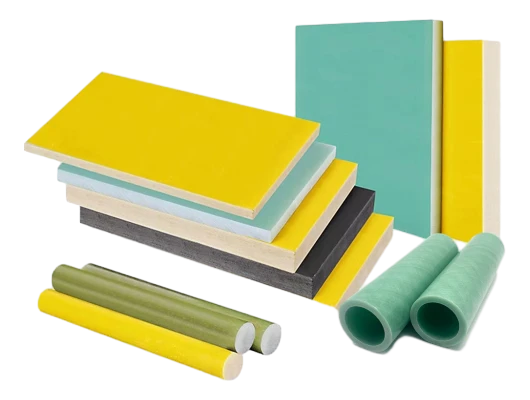
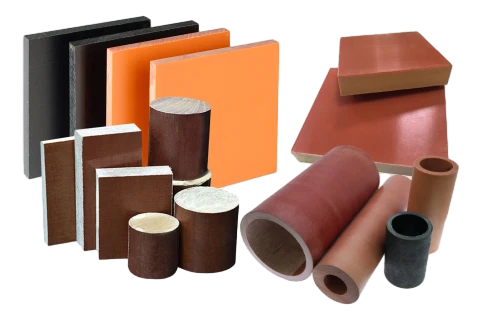
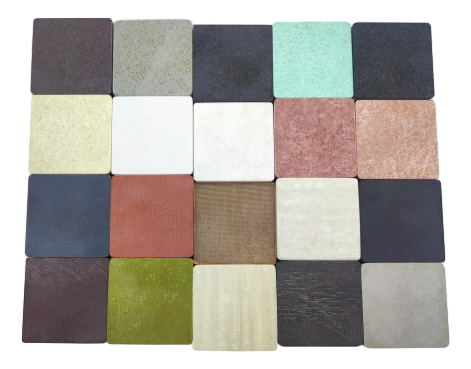
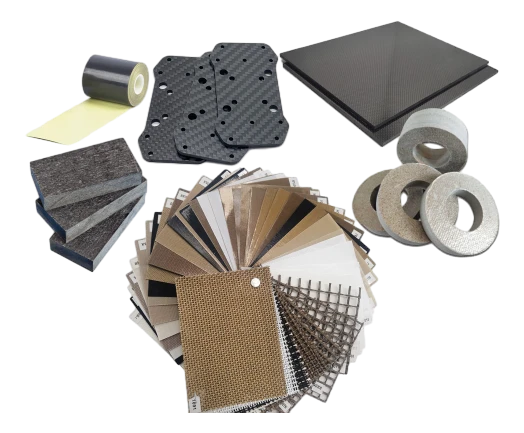
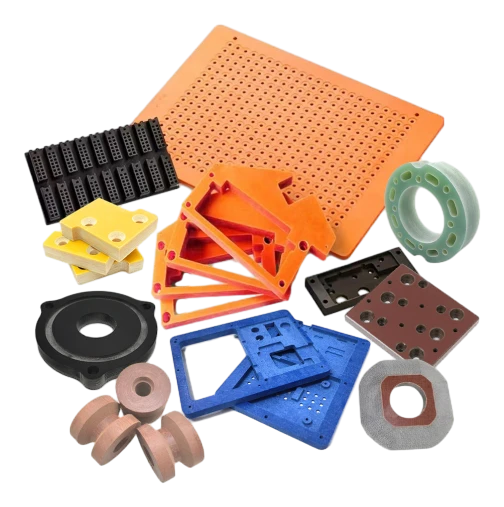
Why Is Fiberglass Fabric Suddenly So Hard to Find?
Time of issue: 2026-07-07
If you’ve tried to source FR4, G10, or any high-performance epoxy laminates lately, you’ve probably asked the same question we hear every day: “Why is there no fiberglass fabric?”
It’s not just you. From PCB manufacturers in Shenzhen to aerospace engineers in Seattle, the industry is feeling the squeeze. As a material supplier living inside this supply chain daily, I want to pull back the curtain—not with a dry market report, but with a human explanation of why your lead times have doubled and your costs have crept up.
The Perfect Storm: It’s Not Just One Thing
Think of the fiberglass supply chain like a tightrope walker. For years, it stayed balanced. But recently, a few heavy weights landed all at once:
1. The "Yellow Sand" Crackdown (Environmental Compliance)
In China, where a significant portion of the world’s fiberglass yarn is produced, environmental inspections have become relentless. Many smaller glass fiber mills—the ones that kept niche products flowing—were forced to shut down or upgrade their furnaces. A furnace retrofit isn’t a quick fix; it takes months. During that time, the yarn simply stops flowing.
2. The Energy Crunch
Producing fiberglass is incredibly energy-intensive. When power rationing hit industrial hubs last year, glass melting furnaces were among the first to be throttled. Even now, energy costs remain volatile, forcing some facilities to run below capacity. Less energy = less molten glass = less yarn.
3. The War in Ukraine
This might seem far removed from your workshop, but it isn’t. Ukraine is a major global supplier of high-purity quartz, the essential raw material for premium "E-glass" used in electronics. The conflict disrupted mining and logistics, creating a ripple effect that reached every laminate factory on the planet.
4. The "Trickle-Down" Effect
Everyone wants automotive-grade or high-frequency fabric right now because the EV and 5G markets are booming. Mills prioritize these high-margin orders. That means the standard 7628 or 2116 fabrics—the workhorses of our industry—get bumped down the queue.
FAQ: Your Questions, Answered
We get these questions constantly from frustrated buyers. Here’s the straight talk:
Q: Is this just a price-gouging tactic by suppliers?
A: Honestly? No. As a supplier, we hate this situation too. Our margins are squeezed because we often have to pay premiums on the spot market to fulfill contracts. We aren't making more money; we're spending more time managing crises.
Q: What can I do right now to secure my supply?
A: Three things: Communicate. Tell your supplier your forecast, even if it’s rough. Diversify. If your design allows, consider alternative substrates (like high-temperature polyimide) for non-critical layers. Plan. Stop ordering week-to-week. Look three to six months ahead if possible.
Q: Are there "fake" fiberglass products appearing on the market?
A: Unfortunately, yes. Desperation creates opportunity for scammers. If a price looks too good to be true for virgin fiberglass cloth, it likely is. It might be recycled material or a substitute that won’t survive a reflow oven. Stick with certified suppliers who provide full traceability and SGS reports.
Final Thoughts: Building Resilience
The fiberglass shortage is a stark reminder that even the most "basic" industrial materials are part of a fragile global web. While we can’t control the weather, geopolitics, or energy prices, we can control how we prepare.
At XiongYiHua, we’ve responded by deepening our relationships with Tier-1 mills and maintaining strategic reserves of raw materials (currently holding over 1,000 tons of base cloth) specifically to buffer our clients against these shocks.
If you’re struggling to source materials, don’t wait for the next "out of stock" email. Reach out, let’s look at your Bill of Materials together, and build a strategy that keeps your production line moving—shortage or not.
More Information
Contact Us



Company Headquarters
NO.2 Longxian Road, Xinsheng Community, Longgang Street, Longgang District, Shenzhen, Guangdong, China