 xyh@xiongyihua-plastic.com



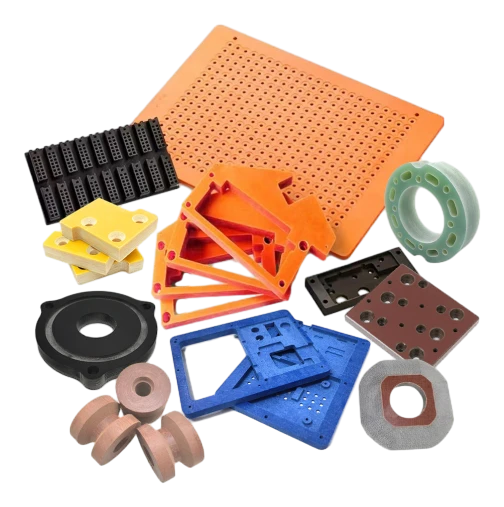
Why Fiberglass Sheet Prices Are Skyrocketing and Supply Is Tight
Time of issue: 2026-07-07
If you’ve been sourcing materials lately—whether for PCB manufacturing, aerospace insulation, or high-end electrical laminates—you’ve likely felt the sting. Fiberglass sheets (and the glass fabric behind them) are harder to find and more expensive than ever. As of mid-2026, what used to be a stable commodity has turned into a fiercely competitive "grab-and-hold" market. But this isn’t just random inflation. It’s a perfect storm of surging demand, stubborn supply bottlenecks, and rising production costs hitting all at once. Let’s break it down in plain English. 
1. Demand Explosion: AI, EVs, and the "Hungry" Server
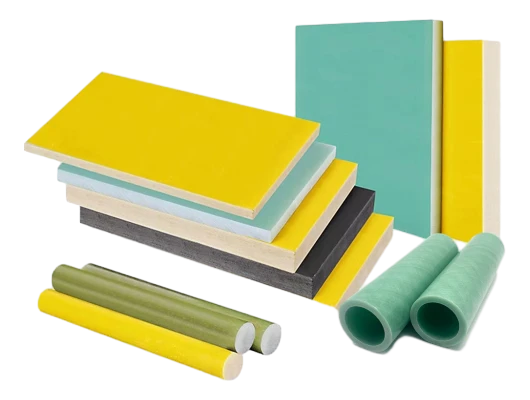
The biggest driver isn’t mystery—it’s technology. The global boom in AI servers, 5G infrastructure, and electric vehicles has created an insatiable appetite for high-performance fiberglass-based boards (like FR4, G10, and high-Tg epoxy sheets).
•A single AI server consumes 3–8 times more electronic-grade glass fabric than a traditional server. With over 2 million AI servers expected globally in 2026, high-end demand has spiked by 120%+.
•This "premium pull" has crowded out standard-grade production. Mills are reallocating capacity to profitable high-end fabrics, leaving general-purpose fiberglass sheets in short supply and driving across-the-board price hikes.
2. The Supply Bottleneck: No Loom, No Cloth
Even if manufacturers wanted to ramp up immediately, they can’t. The core constraint is equipment:
•Producing advanced electronic glass fabric relies heavily on high-precision jet looms (many from Japan’s Toyota series). These machines are booked 18–24 months out, with global supply tightly controlled.
•New fiberglass furnaces and production lines take 12–24 months to build and stabilize. Even giants like China Jushi and KBC only began trickling new capacity online in 2026–2027. Until then, utilization is already above 100%, with lead times stretching beyond 2–4 months.
3. Rising Costs: Energy, Raw Materials, and Precious Metals
Fiberglass isn’t cheap to make—and it’s getting pricier:
•Energy intensity: Melting glass requires massive, steady power. Recent energy rationing and higher utility costs in industrial hubs have forced mills to run cautiously or temporarily throttle output.
•Raw material crunch: High-purity quartz (essential for E-glass) faces geopolitical and mining constraints, especially linked to supply from Ukraine and restricted exports.
•Platinum & Rhodium: Spinning glass fiber requires platinum-rhodium alloy bushings. Rhodium prices roughly doubled (to ~¥2,490/g by 2026), and platinum costs surged—pushing new production line investment from ~¥200M to ¥450M per line. Producers are hesitant to expand aggressively, fearing asset devaluation if metal prices correct later.
4. Inventory Drain and the "Panic Buy" Cycle
Downstream, the psychology has shifted:
•Typical safety stocks of 30–45 days have shrunk to 7 days or less at many laminate and PCB plants. Every shipment is consumed almost immediately.
•To avoid shutdowns, buyers are signing long-term contracts, prepaying, and over-ordering—which only amplifies the perceived shortage. This "panic-buying loop" keeps prices elevated even when underlying demand stabilizes slightly.
5. Geopolitics and Environmental Tightening
Finally, broader forces are reshaping the map:
•Environmental compliance in China has shuttered smaller, less efficient glass mills, consolidating supply into fewer, regulated players.
•Geopolitical frictions (export controls on equipment/materials from Japan/US allies, energy crises in Europe) have disrupted global flow, pushing more buyers to compete for limited Asian output.
Putting It Together: What This Means for You
More Information
Contact Us



Company Headquarters
NO.2 Longxian Road, Xinsheng Community, Longgang Street, Longgang District, Shenzhen, Guangdong, China