 xyh@xiongyihua-plastic.com



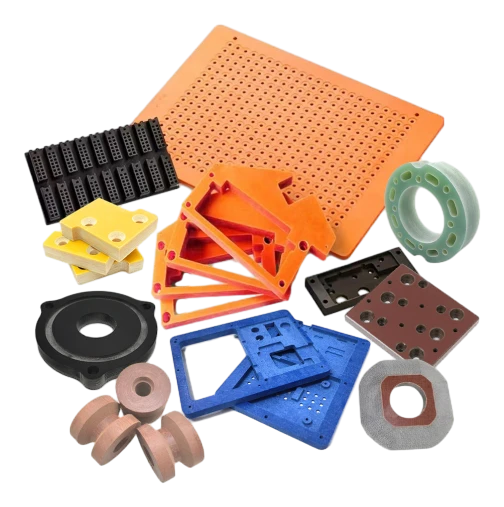
custom CNC fabrication 3240 epoxy sheet Shenzhen
Time of issue: 2026-10-19
What Is 3240 Epoxy Sheet?
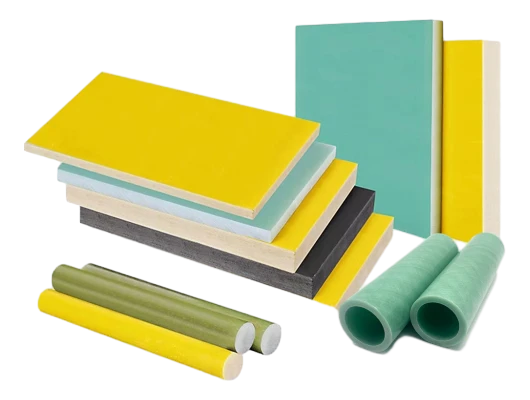
3240 is a rigid epoxy-phenolic glass cloth laminated sheet manufactured within the Chinese GB/T 1303.4 system. It combines electrical insulation with useful mechanical strength and is commonly machined into structural insulation parts for motors, transformers, switchgear and electrical equipment.
It is normally supplied in yellow or yellow-green. Class B material is the usual choice, while selected formulations may reach Class F. The precise grade must be confirmed against the working temperature, voltage, humidity and mechanical load of the finished part.
Typical 3240 Epoxy Sheet Properties
| Property | Typical Value | Purchasing Note |
| Material construction | Epoxy-phenolic resin with alkali-free glass cloth | Confirm the grade rather than relying on colour alone |
| Density | 1.75–1.90 g/cm³ | Typical value, subject to batch COA |
| Flexural strength | ≥340 MPa | Typical value, subject to test direction and batch COA |
| Impact strength | ≥33 kJ/m² | Typical value, subject to batch COA |
| Breakdown voltage | ≥30 kV at 1 mm, perpendicular to laminations in 90°C oil | Test conditions must be stated when comparing offers |
| Insulation resistance after water immersion | ≥5.0 × 10⁹ Ω | Typical value, subject to batch COA |
| Water absorption | ≤0.3% | Humidity should still be considered in the final application |
| Typical heat class | Class B, 130°C | Selected formulations may reach Class F; confirm before ordering |
These are typical reference values, not guaranteed design values. Final figures depend on the confirmed grade, test method and batch COA.
Why Order Finished CNC Parts Instead of Full Sheets?
Buying full sheets makes sense when machining is already available in-house. For many electrical equipment manufacturers, however, ordering finished parts reduces material handling, programming time, tool wear and scrap.Water absorption
A single supplier for both sheet and machining also makes technical responsibility clearer. Material grade, machining direction, edge condition and inspection requirements can be reviewed together before production begins.
Our custom fabrication service can include:
- Cut-to-size panels and rectangular insulation blocks
- CNC milling of profiles, steps, pockets and slots
- Drilling, counterboring and countersinking
- Tapping and threaded features where the design permits
- Chamfering and deburring
- Prototype parts and repeat production
- Part marking and protective export packing

Where Are CNC-Machined 3240 Parts Used?
Motors
Typical parts include slot wedges, end supports, spacers and insulating structural pieces. The design should account for working temperature, electrical stress and the direction of mechanical loading.
Transformers
3240 can be machined into insulation pads, pressure plates, supports and separators. Where moisture resistance or a specific international grade is required, the material specification should be checked carefully before machining.
Switchgear and Power Distribution Equipment
Machined sheets are used as barriers, mounting supports and insulating structures. Hole positions, edge distances and fastening loads should be included in the drawing.
Electrical Fixtures and General Insulation Components
For custom fixtures, terminal supports and structural insulation parts, CNC machining provides more consistent geometry than manual cutting and drilling.
3240 Is Not the Same as FR4
This distinction matters, particularly for overseas projects. 3240 is a Chinese GB grade based on an epoxy-phenolic glass cloth laminate. FR4 is specified within NEMA and IEC systems and is widely used where defined flame resistance, dielectric performance or international grade recognition is required.
Although the two materials can appear similar and may overlap in some applications, 3240 should not be described or supplied as FR4. If a drawing calls for IEC EPGC 201/202, NEMA G10 or FR4, quote the stated grade or obtain the engineer's written approval before considering an alternative.
What Makes a Machining Drawing Ready for Quotation?
A clear drawing shortens the review and prevents avoidable revisions. Please include:
- A 2D PDF or DWG with dimensions, tolerances and datum references
- A STEP or IGES file for complex geometry
- Material name and grade
- Part quantity and likely repeat volume
- Critical and non-critical dimensions
- Surface finish, chamfer and deburring requirements
- Operating temperature, voltage and application
If only a sketch is available, we can review the concept, but a production drawing must be approved in writing before manufacturing begins.
Practical Points Before CNC Machining 3240 Sheet
Glass cloth laminate is abrasive. Tool selection and a stable machining process matter if clean holes and edges are required. Dust extraction is also necessary during cutting and milling.
Very tight tolerances should be reserved for dimensions that genuinely affect assembly. Unnecessarily tight limits add inspection time and machining cost without improving the function of the part. Where a dimension is critical, state the measurement datum and inspection method on the drawing.
For an initial order, a prototype or first-article check is sensible before full production. It allows the buyer to verify fit, hole position, edge finish and material performance under real operating conditions.
Free 3240 Epoxy Sheet Sample for Testing
A standard 3240 test sample can be supplied free of charge, subject to grade and thickness availability. Courier costs are normally collected through the buyer's DHL, FedEx or other carrier account.
Large sheets, special thicknesses and CNC-machined samples are handled separately because they require material allocation, programming and machine time. Any applicable sample charge can be reviewed against the proposed production order.
Each sample request should include the application, required thickness, destination and expected annual demand. This allows us to send a relevant grade rather than an arbitrary offcut.
Why Work with a Shenzhen CNC Fabrication Supplier?
Shenzhen XiongYiHua Plastic Insulation LTD (XYH) has focused on insulation materials and engineering plastics since 2006. Material supply, design support and custom machining are managed within one production network.
XYH operates more than 120 production machines, including over 80 CNC machining centres. This capacity supports prototype work, mixed part numbers and repeat production for electrical and industrial customers.
For international buyers, the benefit is straightforward: one technical discussion covers both the laminate and the finished component. That reduces specification gaps between a sheet supplier and a separate machine shop.
Frequently Asked Questions
Can you machine 3240 epoxy sheet from our drawing?
Yes. We can review PDF, DWG, STEP and IGES files for cutting, milling, drilling, tapping, slotting, chamfering and deburring.
Is 3240 epoxy sheet the same as FR4?
No. 3240 is a Chinese GB epoxy-phenolic glass cloth laminate. FR4 belongs to NEMA and IEC grade systems and is normally chosen where defined flame resistance or an internationally recognised specification is required.
Can I obtain a free sample?
Yes. A standard material test sample is available free of charge, subject to grade and thickness availability. Courier costs are normally collected. Large or CNC-machined samples are assessed separately.
What do you need for an accurate quotation?
Please send the drawing, material grade, quantity, critical tolerances, application and delivery destination. A 3D file is helpful for complex components.
Previous
More Information
Contact Us



Company Headquarters
NO.2 Longxian Road, Xinsheng Community, Longgang Street, Longgang District, Shenzhen, Guangdong, China