 xyh@xiongyihua-plastic.com



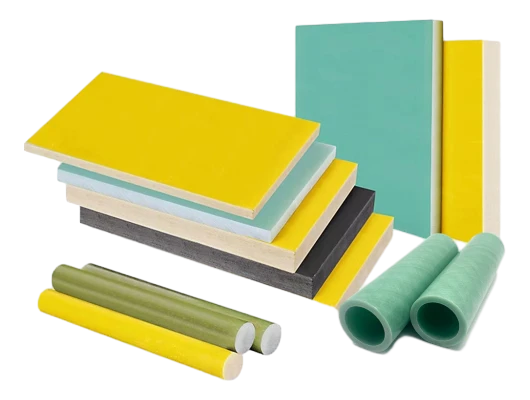
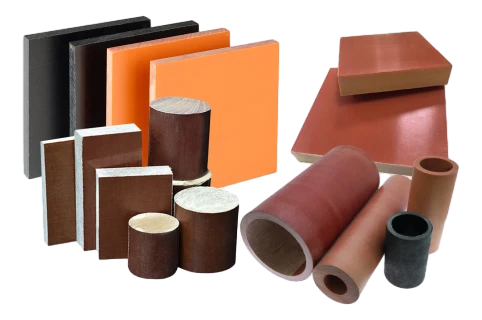
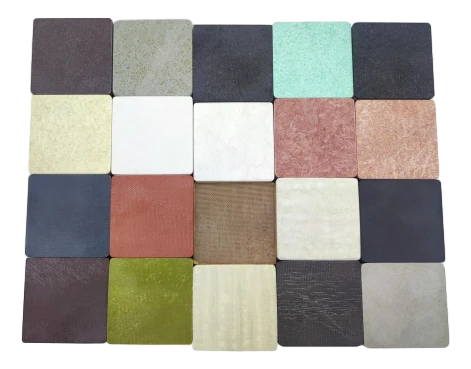
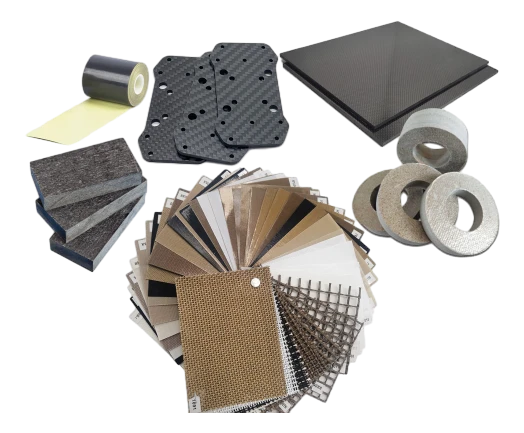
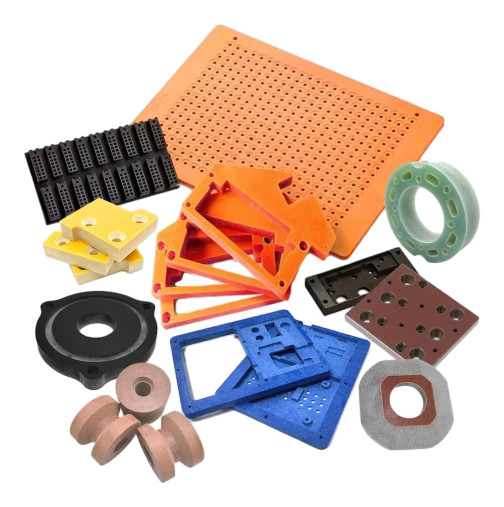
FR4 Epoxy Sheet – High-Performance Electrical Insulation Material for Industrial Applications
Time of issue: 2026-04-23
FR4 Epoxy Sheets are among the most widely used high-performance composite materials for both electrical insulation and structural applications. As a composite material, FR4 Epoxy is made by saturating a woven glass fiber fabric with epoxy resin. The saturated glass fibers are pressed and baked under high temperature and pressure to form a rigid, high-strength sheet.
The mechanical, thermal, and dielectric properties of FR4 epoxy sheet produce a highly reliable material for many industrial and electronic uses.
The steps involved in producing FR4 Epoxy sheets are: layers of glass fabric are stacked; each of the numerous layers is completely soaked with the epoxy resin; and the layers are then internally bonded and cured under pressure to form a solid composite material. Because the layers are intimately joined, there are virtually no internal voids; therefore, FR4 epoxy sheets exhibit uniform material properties throughout their thickness.
The strength and rigidity characteristics of the FR4 Epoxy composite result from the glass fibers while the insulation and external environmental resistance results from the epoxy resin.

FR4 Epoxy Sheet has a variety of wonderful features, with its high level of insulation being one of the most notable. It has the highest level of insulation, and it provides dielectric strength and low electrical conductivity, all contributing to its dependable and safe use within an electrical system. FR4 will maintain consistent insulation and dielectric performance whether it is exposed to moisture or not, and it can be used again in a wide array of places such as in circuit boards, electrical panels and other insulated components.
In addition to FR4's electrical application performance, it also provides a variety of very strong mechanical properties. FR4 has very high tensile strength, excellent impact resistance, and superior rigidity, all while maintaining its structural integrity under mechanical loading conditions. For this reason, FR4 can be used for structural elements and for supporting panels and precision components in industrial machinery.
Another key benefit of FR4 is its ability to resist significant deformation or loss of performance when continuously subjected to elevated temperatures. The mechanical and electrical performance characteristics of FR4 are stable when subjected to elevated temperatures over extended periods of time, thus making it an excellent option for use in motors, transformers, and many other types of electrical and electronic equipment where a large amount of heat is produced by the device while it is operating.
FR4 Epoxy Sheets have good machinability; a standard machining tool will easily cut, drill, mill, and shape FR4 epoxy sheets into different parts. The good edge clean-up and strength of the FR4 epoxy sheets while being machined enhance their use for custom parts and precision manufacturing processes.
The FR4 Epoxy Sheets also have good moisture and common chemical resistance. The performance of the FR4 epoxy sheet will be quite good in a high humid environment and will withstand many oils, solvents, and mild acids. The excellent durability of FR4 indicates long-term reliability with minimal maintenance in extreme industrial environments. These characteristics make FR4 Epoxy Sheets a top choice for numerous applications such as printed circuit boards, electrical insulation systems, switchgear, industrial machinery, and electronic assemblies. Engineers who need consistent performance, safety, or durability normally always purchase FR4 Epoxy Sheets as their first choice.
To summarize, FR4 Epoxy Sheets are an economical and dependable substrate for both electrical and structural use. The electrical insulation, mechanical strength, thermal stability, and environmental resistance of FR4 Epoxy Sheets are the reason they are widely used in today's industrial and electronics manufacturing sectors.
Previous
More Information
FR4 Epoxy Sheet – High-Performance Electrical Insulation Material for Industrial Applications
2026-04-23
Teflon Mesh Conveyor Belt – High-Performance Heat-Resistant Industrial Conveying Solution
2026-04-21
Contact Us



Company Headquarters
NO.2 Longxian Road, Xinsheng Community, Longgang Street, Longgang District, Shenzhen, Guangdong, China