 xyh@xiongyihua-plastic.com



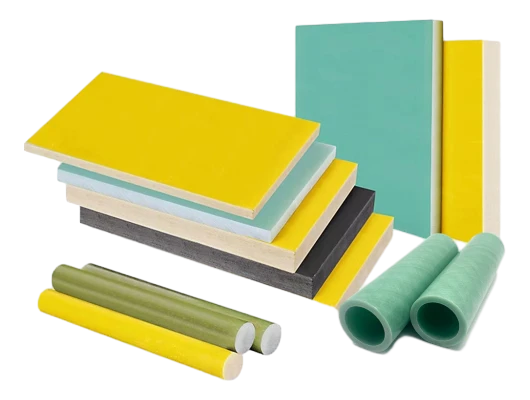
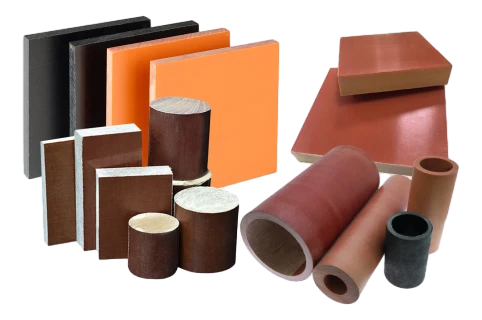
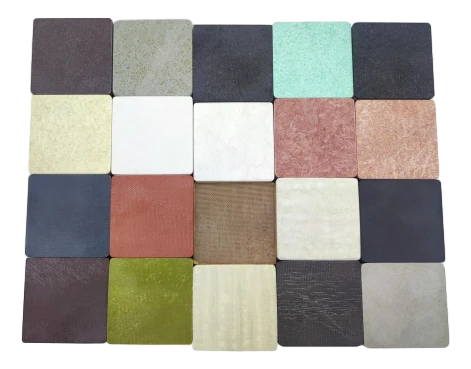
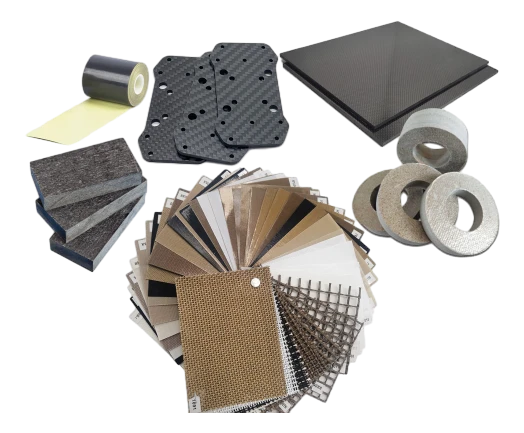
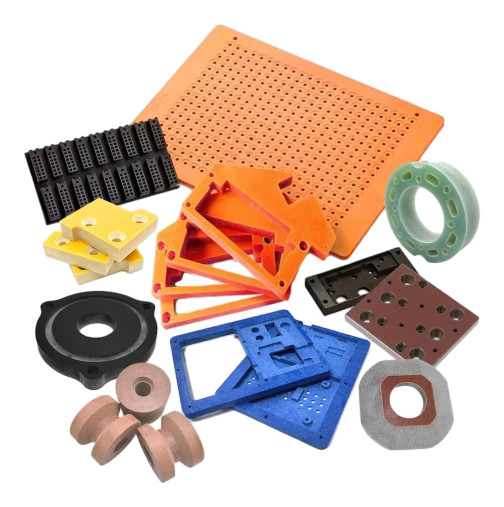
Phenolic Laminated Cotton Rod – High-Strength Industrial Insulation Material
Time of issue: 2026-04-16
Phenolic Laminated Cotton Rod is an industrial-grade material used for producing mechanical Strength and Electrical Insulation. The product is produced using sheets of high-quality fabric, made from cotton, which have been completely saturated with phenolic resin then processed using heat and pressure until a solid rod is created. The result is a dense, rigid rod that exhibits excellent structural stability, insulation reliability, and long-term durability.
The cotton layers will be saturated with resin during manufacturing to provide maximum penetration of the resin and full fibre saturation. After the saturation process is complete, the fabric layers are stacked and compressed under controlled heat and pressure to create a uniform product. At the conclusion of the curing process, the rod will exhibit high density, minimal voids, and stable dimensions, all of which are critical quality factors for precision engineering applications.
One of the major benefits of the Phenolic Laminated Cotton Rod is its high mechanical strength. Strong tensile strength, good resistance to compression, and high wear resistance are all properties that contribute to this type of material. The Phenolic Laminated Cotton Rod will behave well under friction, load, and stress during continuous use and is therefore suitable for use in structural components such as pilot rods, support shafts, insulators, and other machined mechanical tools.

The phenolic laminated cotton rod is not only capable of efficiently providing mechanical performance, but it also offers a dependable method of providing electrical insulation. The phenolic laminated cotton rod possesses a high dielectric strength and is able to retain very stable insulation performance in various environmental conditions; therefore, it is oftentimes used in electrical applications that require electrical insulation between conductive components. Typical applications for phenolic laminated cotton rods would include motors, transformers, switchgear systems, and electrical control devices.
In addition to mechanical and electrical properties, thermal stability is another characteristic of this type of material. The phenolic resin system enables the phenolic laminated cotton rod to be able to maintain its mechanical structure when subjected to moderate and continuous heating. The rod will not deform and will retain both electrical and mechanical properties even in the harshest high-temperature working conditions; therefore, the phenolic laminated cotton rod will provide long-term stable usage.
Phenolic laminated cotton rods also demonstrate good machinability. Due to their stable inner structure, phenolic laminated cotton rods can be easily cut, drilled, turned, and shaped into custom parts using standard machining methods. The stable inner structure permits the rods to be machined with minimal cracking and surface damage and makes phenolic laminated cotton rod material a good choice for applications that require a high level of precision.
Lastly, phenolic laminated cotton rods have good wear resistance, oil resistance, and resistance to most common industrial chemicals. As a result, this material increases the durability of mechanical systems in which lubrication or other harsh working conditions exist. This ultimately helps to extend service life and decrease the need for maintenance of industrial applications.
The Phenolic Laminated Cotton Rod provides a balanced performance for electrical insulating systems, mechanical transmission components, industrial machinery, automotive applications, and general engineering structures, so it is often selected by engineers looking for strength, stability, and electrical safety in one material.
In summary, phenolic laminated cotton rods have outstanding mechanical durability, electrical insulation, thermal resistance, and machinability. They provide long service life with consistent performance levels making them a reliable material option for numerous industrial applications.
Previous
More Information
Contact Us



Company Headquarters
NO.2 Longxian Road, Xinsheng Community, Longgang Street, Longgang District, Shenzhen, Guangdong, China