 xyh@xiongyihua-plastic.com



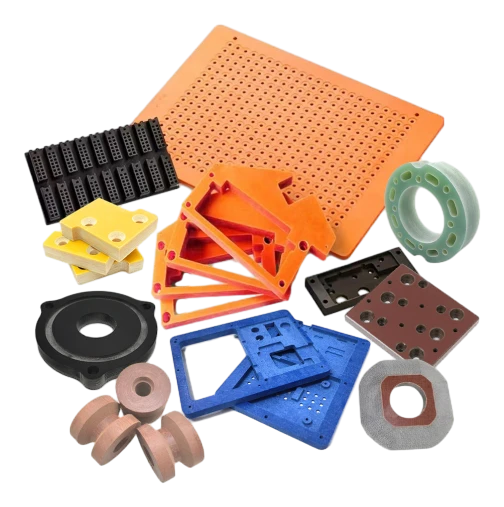
What Is the Production Process for Fr4 Epoxy Fiberglass Sheet
Time of issue: 2025-10-16
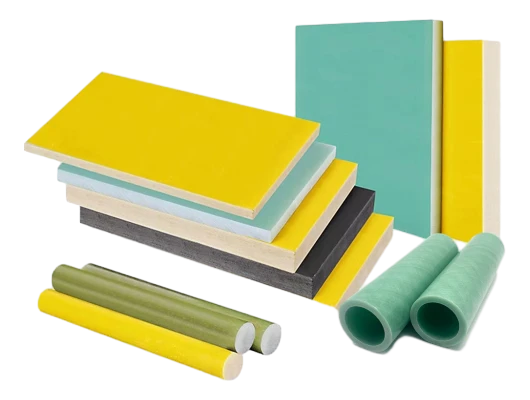
FR4 Epoxy Fiberglass Sheets are a critical industrial material that is used extensively for electronics, electrical engineering, and machinery. The good electrical insulation characteristics, high-temperature resistance, and mechanical strength, all make them ideal for use as electronic circuit boards. The impressive performance of FR4 material will not be compromised, no matter the market use, and the overall production process plays a key role. This article will address the steps involved in producing FR4 epoxy glass cloth boards.
1. Choosing the right raw materials is vital for Fr4 Epoxy Fiberglass Sheets.
As mentioned previously, the two major components of the production process are epoxy resin and glass fiber fabric. The epoxy resin component of the laminate supplies great adhesive properties, electrical insulation, and chemical resistance, while the glass fiber component supplies excellent mechanical strength and heat-resistant properties. Due to its excellent purity and corrosion resistance, alkali-free glass fiber fabric offers greater durability and stability than standard glass fiber. It not only improves the board's mechanical strength but also enhances its service life in high-temperature and high-humidity environments, making it an ideal choice for manufacturing high-quality FR4 boards.

During the raw material preparation step of production, manufacturers usually select different categories of epoxy resin and glass fiber, such as reinforced glass fiber or glass fiber with a special coating, for purposes such as the required application and/or different environmental considerations. What's more, raw materials are customized based on specific applications (such as high-frequency circuits and high-temperature equipment) and environmental requirements. For example, reinforced glass fiber is used to enhance mechanical strength, while specially coated glass fiber is used for precision electronics.
2. The next step is the impregnation process.
The glass fiber fabric is immersed in the epoxy resin and was subsequently heated to allow full saturation of the resin to the fabric. This impregnation seals the glass fiber to the resin, providing enhanced mechanical and insulating properties of the cured board. After impregnation, the glass fiber fabric is cut to size, and gets it ready for the next step, press molding.
3. Hot pressing process control: the key to ensuring excellent performance of FR4 board.
The impregnated glass fiber fabric and resin material are placed in a high-temperature and high-pressure hot press during the pressing stage. Here, the resin cures under high temperatures, and the glass fiber cures under pressure into a compact structure. The hot pressing process is controlled with precision, as any slight change in temperature and pressure will have a direct effect on the strength, heat resistance, and electrical insulation characteristics of the resulting sheet. Thus, the manufacturer needs to control every parameter with precision to produce a high-quality product.
After the FR4 sheet is pressed, additional processing (cooling, cutting, and polishing) will complete the requirements. The performance of the sheet is acceptable to the design requirements and will be ready-to-use.
After all of the highly skilled production procedures, Fr4 Epoxy Fiberglass Sheets have high mechanical performance, electrical insulation, and resistance to high temperatures. As a result, they are a key building material in the electrical and electronics industries.
More Information
Contact Us



Company Headquarters
NO.2 Longxian Road, Xinsheng Community, Longgang Street, Longgang District, Shenzhen, Guangdong, China