 xyh@xiongyihua-plastic.com



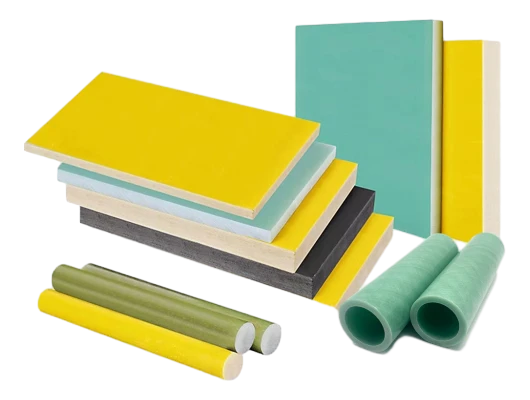
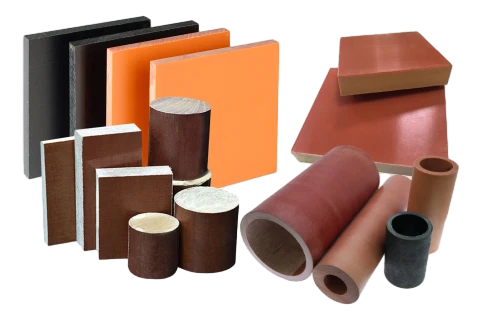

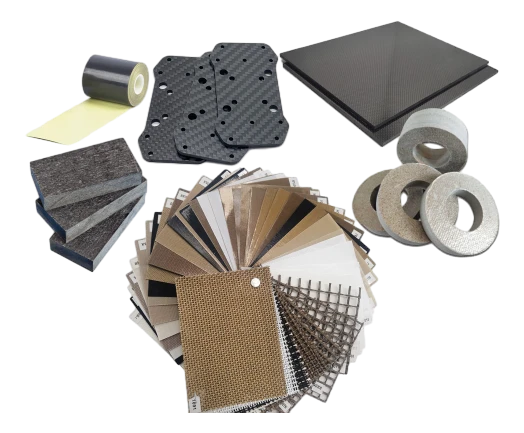
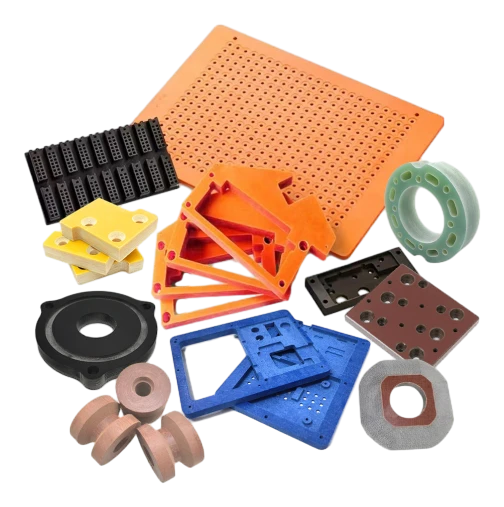
Unlocking the Secrets of Electronic Insulation Materials for Industry Solutions
Time of issue: 2025-11-05
The Unsung Heroes of Industry
When you think of the backbone of modern technology, what comes to mind? Microchips, batteries, and maybe even the latest smartphone! But lurking quietly in the shadows are Electronic Insulation Materials, or electronic insulation materials, that play a pivotal role in ensuring everything runs smoothly.
What Exactly Are Electronic Insulation Materials?
So, what are these materials, you ask? Simply put, they're substances that prevent the flow of electricity where it's not wanted. They can be found in everything from circuit boards to power cables. Without them, we'd be in a world of electrical chaos—think shorts, sparks, and maybe even a fire or two!
Types of Electronic Insulation Materials
Here's the lowdown on some common types:
- Polyimide Films: Known for their heat resistance, these films are a favorite in aerospace applications.
- Silicone Rubber: Flexible and durable, silicone rubber is perfect for outdoor applications due to its weather resistance.
- Epoxy Resins: These bad boys are often used in coatings and adhesives, providing excellent dielectric properties.
Why Are They Important?
You might be wondering, "Why should I care?" Well, let's break it down. Electronic insulation materials are crucial for:
- Safety: They protect users from electrical shocks.
- Performance: They enhance the efficiency and longevity of electronic devices.
- Cost-Effectiveness: By preventing failures, they save money on repairs and replacements.
Industry Applications
From automotive to telecommunications, Electronic Insulation Materials are everywhere! Let's take a look at how they're used across various industries:
1. Automotive Industry
As vehicles become more electric and smart, the demand for high-quality insulation materials has skyrocketed. They're critical for battery management systems and electric motors, ensuring everything operates safely and efficiently.
2. Electronics Manufacturing
In this fast-paced sector, insulation materials are essential for circuit boards and connectors. They help mitigate heat and prevent unwanted electrical connections, which can lead to device failure.
3. Renewable Energy
With the rise of solar and wind energy, the need for reliable insulation materials has become more crucial than ever. They protect the components of energy systems from harsh environmental conditions, ensuring a steady flow of power.
The Future of Electronic Insulation Materials
As technology continues to evolve, so too will the demands on electronic insulation materials. Innovations such as nanotechnology and biodegradable materials are on the horizon, promising to enhance performance while also being environmentally friendly. Now that's something to cheer about!
Adapting to Change
Industries are always on the lookout for ways to improve efficiency and sustainability. By investing in advanced Electronic Insulation Materials, companies can not only meet current demands but also set themselves up for future success. It's a win-win situation!
Conclusion
In the grand scheme of things, electronic insulation materials may not be the stars of the show, but they're undoubtedly the unsung heroes holding everything together. As we continue to embrace technological advancements, the importance of these materials will only grow. So, next time you use your device, take a moment to appreciate the invisible shield working hard behind the scenes!
More Information
Contact Us



Company Headquarters
NO.2 Longxian Road, Xinsheng Community, Longgang Street, Longgang District, Shenzhen, Guangdong, China