 xyh@xiongyihua-plastic.com




Understanding the Working Principles of Electronic Insulation Materials
Time of issue: 2025-11-05
Introduction
Hey there! Have you ever wondered what keeps our electronic devices running smoothly without causing a short circuit? Enter the world of Electronic Insulation Materials, or electronic insulation materials, as we call them in English. These materials play a vital role in ensuring safety and efficiency in electronic applications. Let's dive deeper into their working principles!
What are Electronic Insulation Materials?
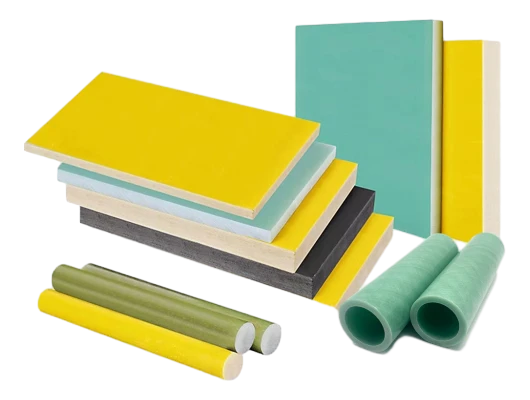
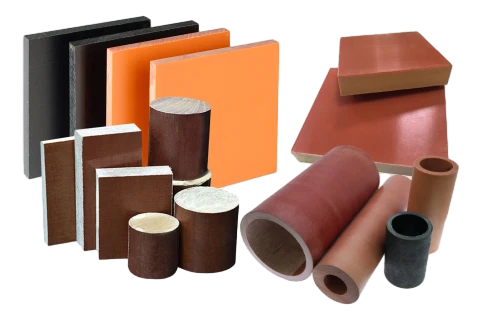
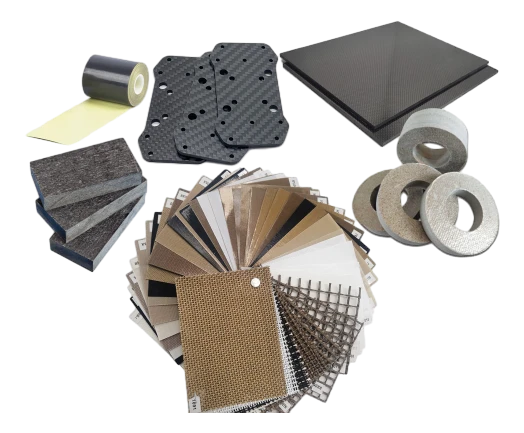
So, what exactly are these Electronic Insulation Materials? At their core, they are substances that inhibit the flow of electric current. Think of them as the unsung heroes of the electronic world. They prevent unwanted electrical leakage, protecting both the device and the user. Common examples include rubber, glass, and various types of plastics.
How Do They Work?
Alright, let's get technical for a moment! The working principle of electronic insulation materials hinges on their ability to resist electrical conductivity. This resistance is measured in ohms, and the higher the resistance, the better the insulation. When an electrical current encounters an insulator, it cannot flow through, which is precisely what keeps our devices safe.
Key Properties of Insulation Materials
- Dielectric Strength: This is the maximum electric field that a material can withstand without breaking down. It's like the material's endurance test!
- Thermal Stability: Insulation materials must maintain their properties under various temperature conditions. Nobody wants their devices to melt down!
- Moisture Resistance: Water and electronics don't mix. Good insulation helps keep moisture out, ensuring longevity.
Applications of Electronic Insulation Materials
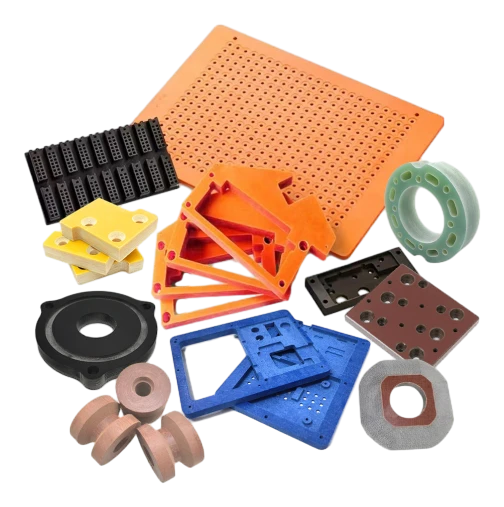
Now, let's chat about where these materials are used. Think about the last time you used a smartphone, a laptop, or even an electric toothbrush. Behind the scenes, Electronic Insulation Materials are doing the heavy lifting. They are found in:
- Wiring and cables
- Printed circuit boards (PCBs)
- Transformers and capacitors
- Home appliances
- Medical devices
The Science Behind Insulation
Alright, science lovers, this part's for you! The science of Electronic Insulation Materials revolves around the atomic structure of the materials. Insulators have tightly bound electrons that do not move freely, unlike conductors, which have loosely bound electrons. This atomic behavior is what makes insulators effective at preventing electrical flow.
Factors Influencing Insulation Effectiveness
Several factors can influence how well an insulation material performs:
- Frequency of the Current: AC (alternating current) and DC (direct current) behave differently in various materials.
- Temperature: As temperature increases, some materials may become less effective.
- Environmental Conditions: Pollution, humidity, and other factors can degrade insulation over time.
Future of Electronic Insulation Materials
What's next for Electronic Insulation Materials? With tech advancing like a speeding train, the demand for more efficient and durable insulation materials is skyrocketing. Researchers are exploring innovative materials, including nanomaterials and composites, to enhance performance and sustainability.
Conclusion
To wrap it all up, electronic insulation materials are crucial for the safe and efficient functioning of our modern gadgets. They're like the gatekeepers of the electronic realm, ensuring that everything runs smoothly. Next time you power up your device, give a little nod to those remarkable Electronic Insulation Materials that keep you connected!
More Information
Contact Us



Company Headquarters
NO.2 Longxian Road, Xinsheng Community, Longgang Street, Longgang District, Shenzhen, Guangdong, China