 xyh@xiongyihua-plastic.com



Key Applications and Development Trends of High Temperature Insulation Sheet in Modern Industry
Time of issue: 2026-04-27
As industrial systems continue to modernize, safety, energy efficiency, and thermal stability are being prioritized. One advanced functional material, known as High Temperature Insulation Sheets, has become increasingly prevalent in the power generation, metallurgy, chemical engineering, and alternative energy sectors. Due to their high levels of thermal resistance and electrical insulation, these sheets are essential for applications where they will be subjected to high temperatures.
The introduction of industrial automation and high-end production methods has led to rapidly changing working conditions that are becoming more complicated. These conditions may include high temperatures, high pressures, and corrosive environments. As a result, High Temperature Insulation Sheets have become one of the most important forms of thermal protection and electrical safety in these scenarios. As a result of their durability and long life cycle, demand for High Temperature Insulation sheets continues to increase.
High Temperature Insulation Sheets are manufactured from high performance inorganic or composite materials using state-of-the-art processing technologies. As such, they provide excellent mechanical strength and thermal stability. Under continuous exposure to high temperatures, High Temperature Insulation Sheets will not deform or degrade in terms of performance due to the maintenance of structural integrity, allowing industries to operate at stable levels.
High temperature insulation sheets offer superior electrical insulation properties and protect against current loss (leakage) while lowering the risk of electrical failure; making high temperature insulation sheets essential in application environments such as transformers, electric motors, switchgear, and electrical controls, where both heat and insulation are required.
Another major aspect of high temperature insulation sheets is their very low thermal conductivity; thus, they reduce excessive heat transfer, conserve energy, and improve overall system performance (efficiency). In addition, high temperature insulation sheets have excellent flame-retardant properties, so they ensure that thermal insulation is protected under fluctuating temperature conditions.
In the power sector, high temperature insulation sheets can be found in electrical transformers, electrical generators, electrical insulation systems, etc. And help prevent devices overheating and improve overall system stability. In the metallurgy sector, high temperature insulation sheets can be located in furnaces, kilns, and heat treating equipment, and are used to reduce heat loss and create more energy-efficient systems.
In the chemical processing industry, high temperature insulation sheets are used to protect reactors processing units and pipe systems from the effects of high temperature and/or aggressive chemical agents. Therefore, high temperature insulation sheets are extremely durable, long-lived, and provide stable performance over time. In the new energy sector (e.g. lithium batteries, energy storage), high temperature insulation sheets are also used extensively for thermal management and electrical insulation to increase overall safety and reliability.
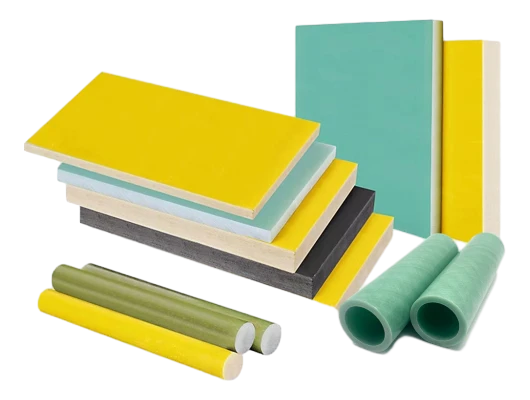
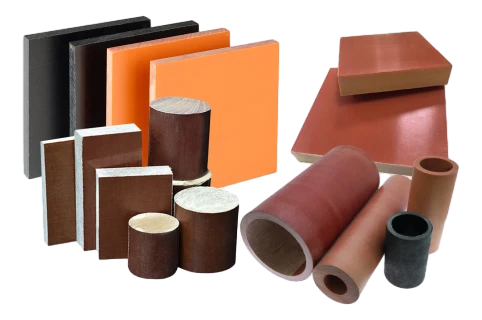
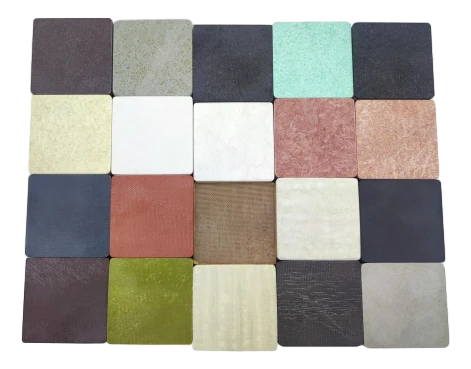
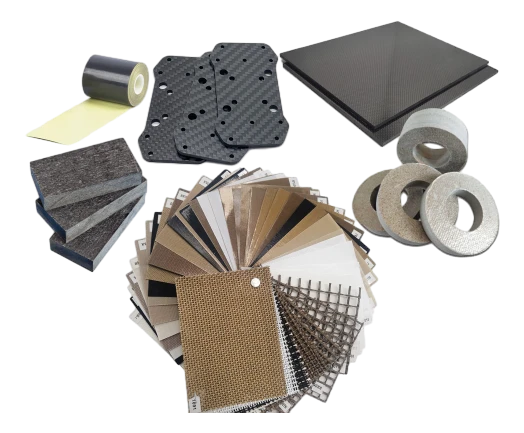
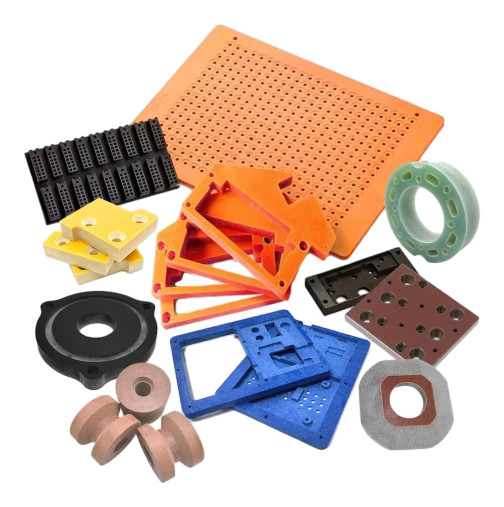
Different kinds of High Temperature Insulation Sheets are needed based on the type of industry. For example, there is Mica based High Temperature Insulation Sheet, Ceramic Fiber based High Temperature Insulation Sheet, and Fiberglass Reinforced High Temperature Insulation Sheet. These 3 distinct types of High-Temperature Insulation typically have advantages relating to high-temperature resistance, strength, flexibility, and overall cost efficiency allowing for flexibility in choosing the right material based on industrial application needs.
High Temperature Insulation Sheet is designed with exceptional processing versatility. (They) can be cut, punched, and tailored for specific equipment structures, providing suitable solutions for intricate industrial designs or custom engineered projects.
From an industrial perspective, global demand for high-temperature insulation continues to increase due to needs for energy saving solutions and environmental sustainability efforts. In the future, innovative engineering will focus on providing products with even greater temperature rating capability, additional mechanical resistance characteristic, and lightweight composite material structures.
As well, a growing number of industries are looking for HTIS due to growing interest in renewable energy sources along with the introduction of new technologies such as electric cars and aircraft, and intelligent manufacturing. Because of the extreme conditions found in many industries, there is a growing need for materials that will work reliably at extreme temperatures. This expands the range of applications for HTIS.
HTIS will play a critical role in today's modern engineering solutions because they improve energy efficiency, provide equipment safety and increase service life of engineered systems in harsh environments.
As technology continues to advance, HTIS will continue to improve in performance and application, supporting the continued development of global industry through sustainable development efforts.
Previous
Contact Us



Company Headquarters
NO.2 Longxian Road, Xinsheng Community, Longgang Street, Longgang District, Shenzhen, Guangdong, China