 xyh@xiongyihua-plastic.com





The Wonders of Composite Materials: Understanding Their Working Principles
Time of issue: 2025-11-06
What Are Composite Materials?
Ever heard of composite materials? They're the unsung heroes of modern engineering! Combining two or more materials to create a product that boasts superior properties, composite materials, or Composite Materials as they're known in Chinese, have revolutionized industries from aerospace to construction.
A Quick Primer on How They Work
So, let's break it down. The basic working principle of composite materials lies in their unique structure. Imagine a sandwich—yup, a delicious sandwich! The bread represents the matrix, while the filling embodies the reinforcement. The matrix holds everything together, providing shape and protection, while the reinforcement adds strength. Together, they create a material that can withstand forces far greater than its individual components.
The Science Behind the Magic
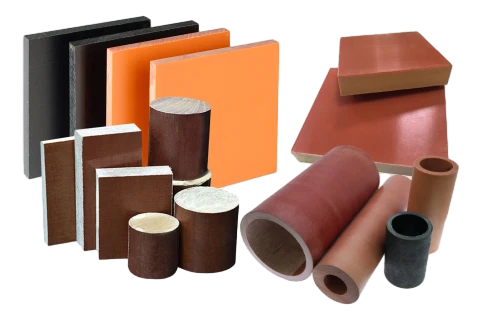
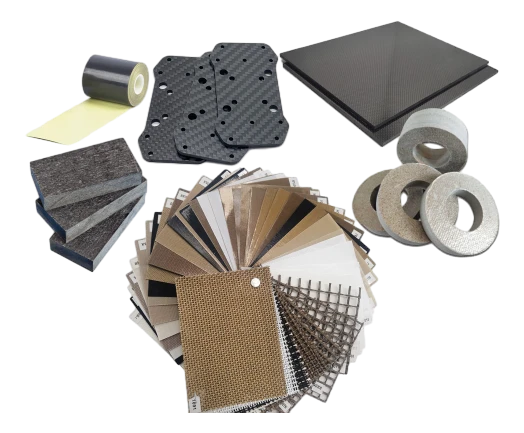
Now, you might be wondering, what kind of materials are we talking about here? Well, composites can be as simple as plastic reinforced with glass fibers or as advanced as carbon fiber reinforced polymer (CFRP). The beauty lies in their versatility! Each combination can be tailored for specific applications, enhancing properties like durability, weight, and resistance to environmental factors.
Types of Composite Materials
There's a smorgasbord of composite materials out there. Here are a few standouts:
- Fiber-reinforced composites: These include glass, carbon, or aramid fibers embedded in a resin matrix. They're light yet incredibly strong!
- Particle-reinforced composites: Think of concrete! Tiny particles enhance the strength of the matrix.
- Laminate composites: Layers of materials bonded together to form a single structure, often used in aircraft and sports equipment.
Applications Galore!
Composite materials are everywhere. From the sleek body of a modern sports car to the wings of an airplane, their applications are vast and varied. They're favored in industries that demand high strength-to-weight ratios, such as:
- Aerospace: Lightweight structures can improve fuel efficiency and performance.
- Construction: Strong yet lightweight materials enhance the durability of buildings.
- Sports Equipment: Think high-performance bicycles, tennis rackets, and golf clubs—composites give athletes an edge!
Why Choose Composite Materials?
With so many options available, why are composite materials the go-to choice for many manufacturers? Here are a few compelling reasons:
- Strength-to-Weight Ratio: They're incredibly strong yet lightweight, making them ideal for many applications.
- Corrosion Resistance: Composites resist rust and degradation better than metals, extending their lifespan.
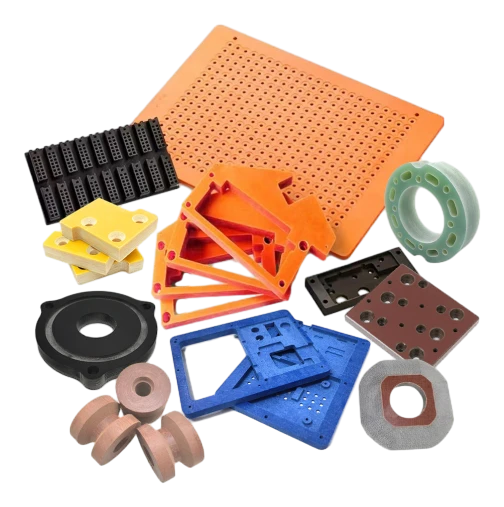
- Design Flexibility: They can be molded into complex shapes, allowing for innovative designs.
The Future of Composite Materials
As technology advances, so do the possibilities for Composite Materials. Researchers are constantly exploring new combinations and applications, aiming for even more sustainable and efficient materials. Imagine a world where your car is made from fully recyclable composites, or where buildings are constructed using materials that actively reduce carbon footprints. The future's looking bright!
Final Thoughts
In a nutshell, composite materials are a game-changer in various fields. Their ingenious working principles not only enhance performance but also pave the way for innovations that could redefine our world. So next time you marvel at a sleek airplane or a high-tech sports car, remember the magic of composite materials!
More Information
Contact Us



Company Headquarters
NO.2 Longxian Road, Xinsheng Community, Longgang Street, Longgang District, Shenzhen, Guangdong, China