 xyh@xiongyihua-plastic.com



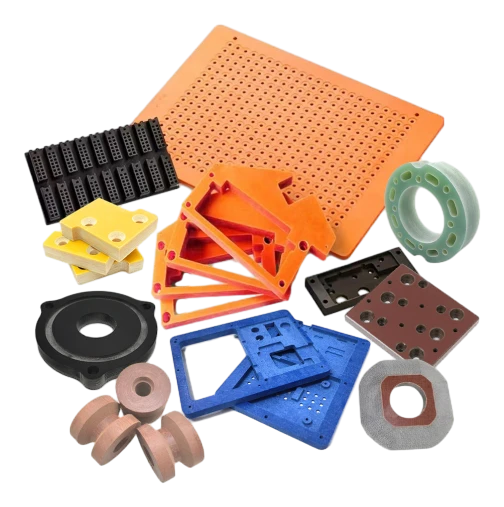
Unlocking the Power of Electronic Insulating Materials: A Guide to Essential Products
Time of issue: 2025-11-04
Understanding Electronic Insulating Materials
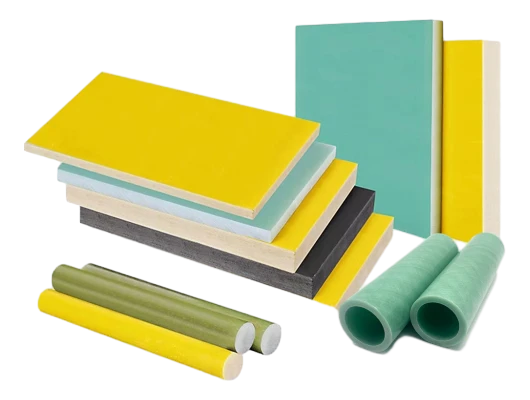
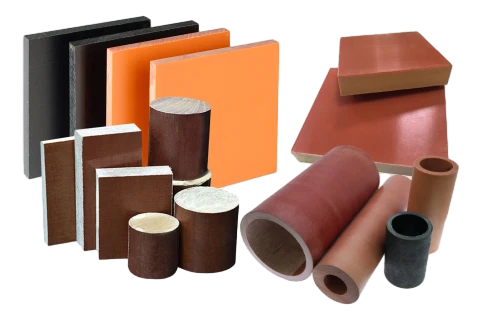
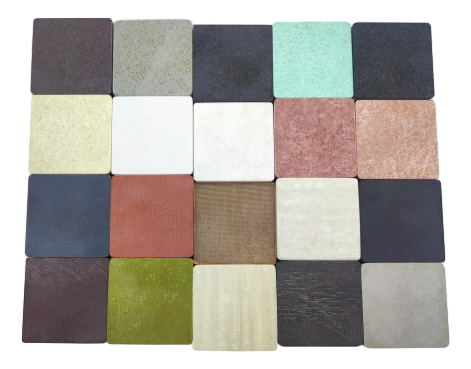
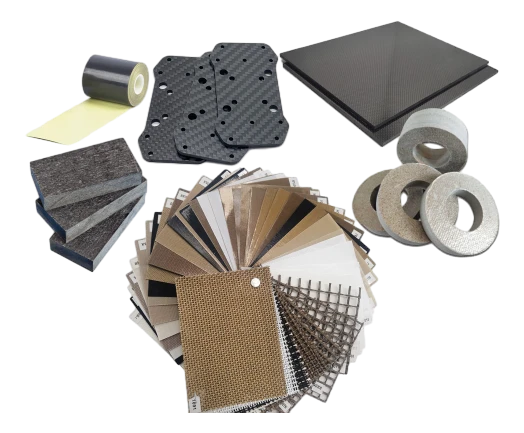
When it comes to electronics, you might think it's all about chips and screens—yet, the unsung heroes are the materials that keep our gadgets functioning smoothly. Enter Electronic Insulating Materials, or in English, electronic insulating materials. These specialized substances prevent the unwanted flow of electricity, ensuring that devices operate efficiently and safely.
Why Do We Need Insulating Materials?
Imagine a world without insulation: wires would short-circuit left and right, devices would overheat, and sparks would fly. Yikes! Insulating materials are crucial for:
- Safety: They protect users from electrical shocks.
- Performance: Insulation enhances the efficiency of electronic devices.
- Longevity: Proper insulation extends the life of electronic components.
Types of Electronic Insulating Materials
Now that we've covered the basics, let's dive into the types of electronic insulating materials available:
- Polyethylene (PE): A lightweight and versatile option, perfect for various applications.
- Polyvinyl Chloride (PVC): Known for its durability, PVC is commonly used in electrical cables.
- Silicone: Excellent for high-temperature applications, silicone is a favorite in automotive and aerospace industries.
- Epoxy Resins: Often utilized in circuit boards, these resins provide excellent adhesion and thermal resistance.
Applications of Electronic Insulating Materials
So, where can you find these materials in action? The possibilities are endless! Here are some key applications:
- Consumer Electronics: From smartphones to laptops, insulating materials are everywhere.
- Automotive: They play a significant role in electric vehicles, ensuring safety and performance.
- Telecommunications: Insulation is vital for maintaining signal integrity in cables.
- Aerospace: High-performance insulation keeps electronic systems safe and reliable in extreme conditions.
The Manufacturing Process
Creating Electronic Insulating Materials involves several steps, each crucial to ensuring the final product meets strict safety and performance standards. Here's a quick rundown:
- Material Selection: Choosing the right raw materials is the first step.
- Formulation: Blending different materials to achieve desired properties.
- Processing: Techniques like extrusion or molding shape the materials into usable forms.
- Quality Control: Rigorous testing ensures the materials meet industry standards.
Future Trends in Insulating Materials
The world of Electronic Insulating Materials is constantly evolving. With the push for greener technologies and more efficient electronics, here are some trends to watch out for:
- Biodegradable Insulation: As sustainability takes center stage, manufacturers are exploring eco-friendly options.
- Advanced Composites: These materials promise better performance and lighter weight, ideal for modern electronics.
- Smart Insulation: Imagine materials that can adapt to changes in temperature and pressure!
Conclusion
In a nutshell, Electronic Insulating Materials are more than just a technical term—they're the backbone of modern electronics. Whether you're a tech enthusiast, a professional in the field, or simply curious about how your devices work, understanding these materials can give you a new appreciation for the technology we often take for granted. So next time you power up your gadgets, remember the silent guardians that keep them running smoothly!
More Information
Contact Us



Company Headquarters
NO.2 Longxian Road, Xinsheng Community, Longgang Street, Longgang District, Shenzhen, Guangdong, China