 xyh@xiongyihua-plastic.com



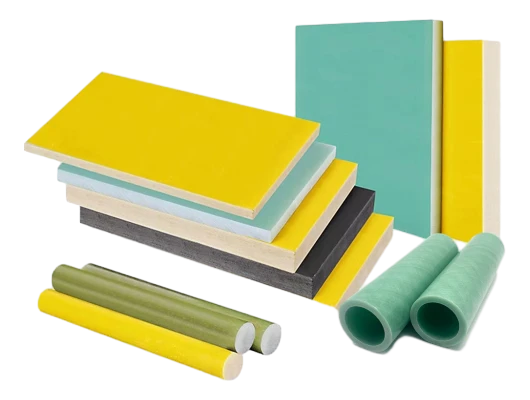
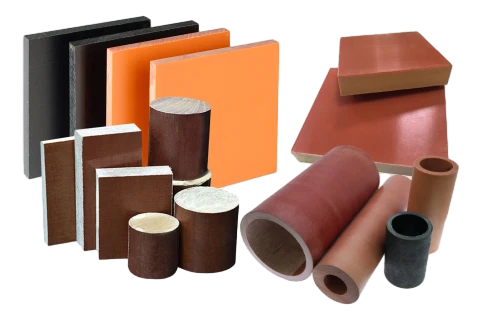
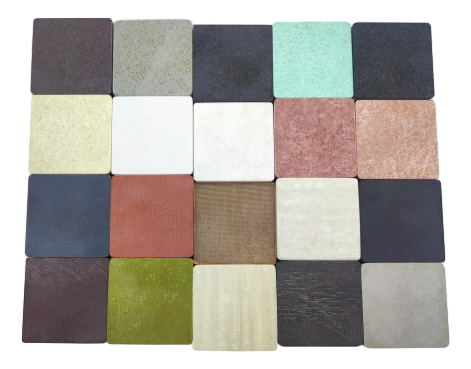
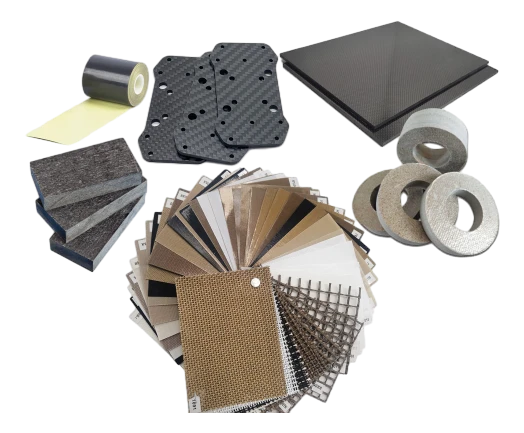
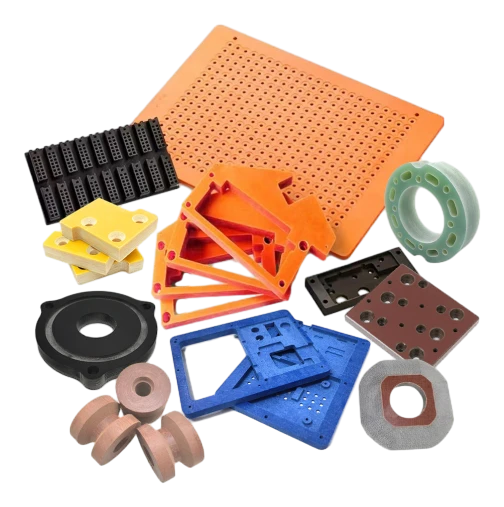
Understanding the Workings of Fiberglass Boards: A Comprehensive Guide
Time of issue: 2025-10-29
Introduction to Fiberglass Boards
Hey there! Have you ever stumbled upon the term fiberglass boards (Fiberglass Boards) and wondered what all the fuss is about? Well, you're in for a treat! In this article, we'll dive deep into the working principles of these versatile materials, exploring how they function and where they shine the brightest.
What Exactly Are Fiberglass Boards?
At its core, fiberglass boards are composite materials made from glass fibers and resin. Think of them as a magical fusion of strength and lightness. This combination gives them remarkable properties, making them a popular choice across various industries, from construction to automotive.
How Do They Work?
So, how do these fiberglass boards actually work? Let's break it down:
1. Composition and Structure
Fiberglass boards are primarily composed of two main components: glass fibers and a polymer resin. The glass fibers provide tensile strength, while the resin binds everything together and protects the fibers from environmental factors. This structure allows for an impressive strength-to-weight ratio, which is a big win in many applications.
2. Manufacturing Process
Whoa, here comes the science! The production of fiberglass boards involves several steps, including:
- Fiber Production: Glass fibers are drawn from molten glass, cooled, and then cut into various lengths.
- Resin Application: The fibers are then coated with resin, either through hand layup, spray-up, or continuous lamination methods.
- Curing: The resin is cured (hardened) through a chemical reaction, giving the board its final shape and strength.
3. Key Properties
What makes fiberglass boards a go-to choice? Here's a quick rundown of their standout properties:
- Durability: Resistant to moisture, mold, and chemicals.
- Lightweight: Easy to handle and install, reducing labor costs.
- Insulation: Excellent thermal and electrical insulation properties.
- Versatility: Used in various applications, from insulation panels to boat hulls.
Where Are Fiberglass Boards Used?
You might be thinking, “Okay, but where can I actually find these boards in action?” Well, they're everywhere! Here are some common applications:
- Construction: Used for wall panels, roofs, and insulation.
- Automotive: Ideal for body panels and components due to their lightweight nature.
- Marine: Commonly found in boat construction, providing strength without the weight.
- Aerospace: Used in aircraft components for their high strength-to-weight ratio.
Benefits of Using Fiberglass Boards
Let's not beat around the bush; there are plenty of reasons to love fiberglass boards. Here are just a few:
- Cost-Effective: Their durability and low maintenance needs can save you money in the long run.
- Eco-Friendly: Many manufacturers are now using recyclable materials, making them an eco-conscious choice.
- Aesthetic Appeal: Available in various finishes and colors, they can enhance the look of any project.
Conclusion
In a nutshell, fiberglass boards (Fiberglass Boards) are an incredible innovation in material science, providing strength, versatility, and cost savings in numerous applications. Whether you're in construction, automotive, or any other field, understanding their working principles can help you make informed choices for your projects. So, next time you come across these boards, you'll know just how valuable they are!
More Information
Contact Us



Company Headquarters
NO.2 Longxian Road, Xinsheng Community, Longgang Street, Longgang District, Shenzhen, Guangdong, China