 xyh@xiongyihua-plastic.com




Understanding the Working Principle of Flame Retardant Epoxy Glass Fiber Tubes
Time of issue: 2026-01-15
Introduction to Flame Retardant Epoxy Glass Fiber Tubes
Hey there! Have you ever wondered what makes certain materials so resilient in the face of fire? Well, let me introduce you to the fascinating world of flame retardant epoxy glass fiber tubes. These tubes are not just your average industrial materials; they are engineered wonders designed to withstand high temperatures and prevent the spread of flames. Let's dive into their working principle and discover why they're so vital in various sectors!
What Are Flame Retardant Epoxy Glass Fiber Tubes?
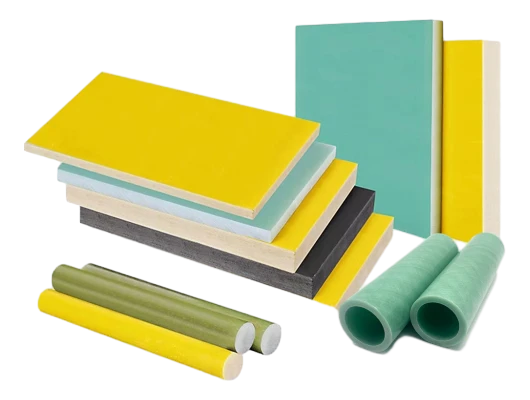
To put it simply, flame retardant epoxy glass fiber tubes are composite materials made from glass fibers embedded in an epoxy resin matrix. The key here is the flame retardancy, which is achieved through specific additives that inhibit combustion. You might be thinking, "Why not just use regular tubes?" Well, the answer is straightforward: safety and durability.
The Working Principle Explained
Alright, let's break it down! The working principle of these tubes revolves around a combination of physical and chemical processes. When exposed to heat, the flame retardant additives in the epoxy resin come into play. They release non-flammable gases, creating a protective barrier that smothers the flames. This process is known as gas phase inhibition, and it's pretty darn effective!
How Does It Work?
Here's where it gets really interesting! The glass fibers provide structural integrity, while the epoxy acts as a binder, providing flexibility and strength. When heat hits the tube, the additives kick in, and voila! You have a material that not only resists flames but also maintains its shape and function under stress. Talk about a win-win!
Applications of Flame Retardant Epoxy Glass Fiber Tubes
So, where are these amazing tubes used? The applications are as vast as your imagination! They are commonly found in the electrical industry, aerospace, automotive, and even in construction. For instance, in electrical applications, these tubes act as insulators, protecting wires and components from heat damage. In the aerospace sector, they contribute to the lightweight yet robust structures of aircraft. It's astonishing how such a simple tube can play a crucial role in safety and efficiency!
Advantages of Using Flame Retardant Epoxy Glass Fiber Tubes
Now, let's talk about the perks! First off, they offer excellent thermal stability, meaning they can withstand high temperatures without losing their form. Secondly, they're lightweight, making them easier to handle and install. And let's not forget about their impressive resistance to chemicals and moisture. This means they're built to last, even in harsh environments.
Environmentally Friendly?
Good question! Many manufacturers are now focusing on producing flame retardant epoxy glass fiber tubes that are more eco-friendly. This involves using sustainable materials and processes, which is a big win for our planet. If you're someone who cares about the environment, you'll be happy to know that innovation is paving the way for greener solutions!
Challenges and Considerations
Of course, it's not all sunshine and rainbows. One challenge is the cost; producing these advanced materials can be more expensive than traditional options. Additionally, the selection of additives needs careful consideration to ensure they don't compromise the overall performance of the tubes. However, the benefits often outweigh these challenges, making them a worthwhile investment.
Conclusion: A Look Ahead
In the grand scheme of things, flame retardant epoxy glass fiber tubes are a brilliant example of how technology can enhance safety and performance in various industries. As the demand for safer and more efficient materials continues to rise, we can expect even more innovations in this field. So, whether you're an engineer, a DIY enthusiast, or just curious about materials science, keep an eye on these incredible tubes—they're changing the game!
More Information
Contact Us



Company Headquarters
NO.2 Longxian Road, Xinsheng Community, Longgang Street, Longgang District, Shenzhen, Guangdong, China