 xyh@xiongyihua-plastic.com



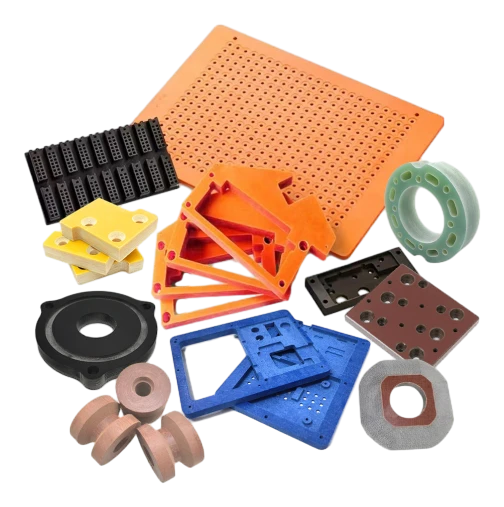
Navigating the Nuances of Textolite Board: Essential Tips to Keep in Mind
Time of issue: 2025-12-23
Understanding Textolite Board
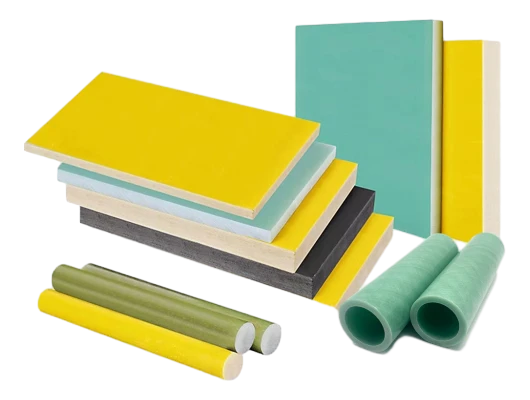
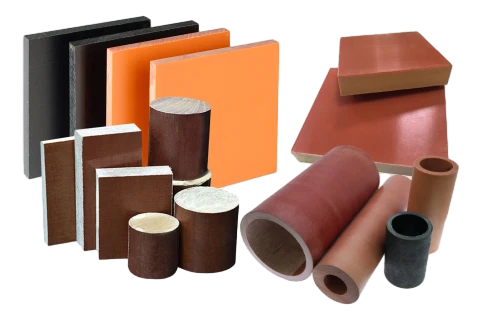
So, what exactly is Textolite Board? Well, this versatile material, often made from layers of cellulose and phenolic resin, is a go-to choice in various applications, especially in the electrical and mechanical fields. It's tough, resilient, and quite the unsung hero in many industries!
Applications Galore
From switchgear to insulation, the uses for Textolite Board are practically endless. You might find it in the guts of your favorite appliances or even in automotive parts. Its ability to withstand heat and electricity makes it a popular choice among engineers and manufacturers alike.
Key Considerations When Using Textolite Board
Alright, let's dive into some important tips and tricks when handling this material:
- Safety First! Always wear protective gear. Dust from cutting or sanding Textolite Board can be harmful. It's better to be safe than sorry, right?
- Cutting Techniques – Use the right tools. A sharp blade or saw is essential to avoid fraying edges. Trust me, you don't want to deal with a ragged mess!
- Storage Matters – Keep it dry and away from direct sunlight. Prolonged exposure to moisture can damage the integrity of Textolite Board.
- Heat Resistance – While it can handle high temperatures, it's wise to check the specifications for your specific application to prevent any surprises.
Common Mistakes to Avoid
Let's face it, we've all been there—making rookie mistakes. Here are a few blunders to steer clear of:
- Ignoring Manufacturer Guidelines – Don't skip this step! Those instructions are there for a reason.
- Using the Wrong Adhesive – Make sure to use adhesives that are compatible with Textolite Board. Some may cause delamination, and you definitely don't want that!
- Overloading – Be mindful of the load capacity. Pushing it too far can lead to structural failure.
Maintenance Tips
To keep your Textolite Board in prime condition:
- Regular Inspections – Check for signs of wear and tear. A little maintenance goes a long way!
- Clean Carefully – Use a damp cloth for cleaning, avoiding harsh chemicals that can degrade the material.
- Keep It Cool – Store in a climate-controlled environment when possible.
In Conclusion
There you have it! With these tips in your back pocket, you're well-equipped to tackle projects involving Textolite Board. Whether you're a seasoned pro or a DIY enthusiast, understanding the ins and outs of this material can save you time, money, and a whole lot of hassle. Happy building!
More Information
Contact Us



Company Headquarters
NO.2 Longxian Road, Xinsheng Community, Longgang Street, Longgang District, Shenzhen, Guangdong, China