 xyh@xiongyihua-plastic.com



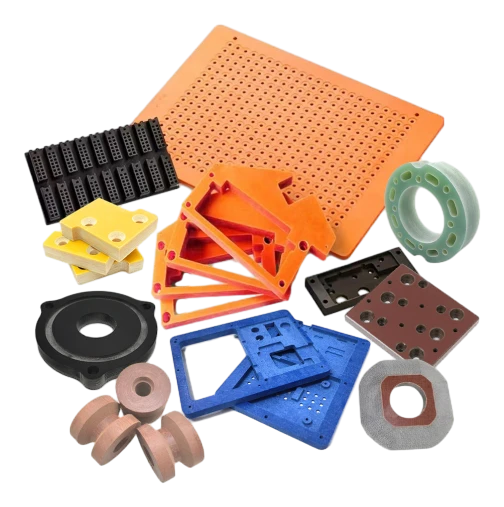
Understanding the Working Principles of Epoxy Boards
Time of issue: 2025-11-14
What Are Epoxy Boards?
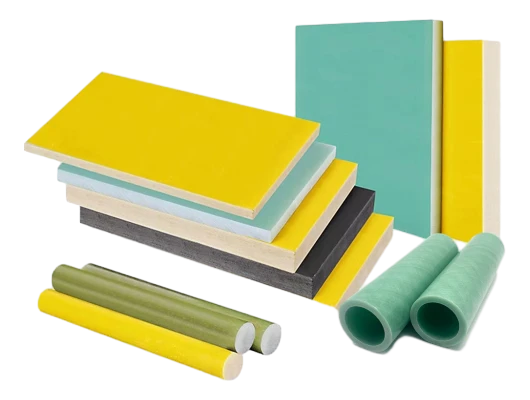
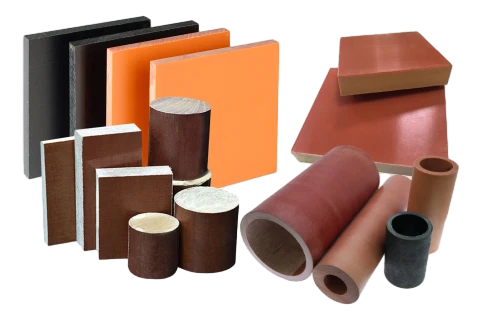
Have you ever come across the term epoxy boards? Well, they're not just another buzzword in the material world. These versatile sheets are made from a combination of epoxy resin and hardeners, leading to a robust and durable product. They're widely used in various industries, from construction to electronics. Let's dive deep into their working principles and see what makes them tick!
The Chemistry Behind Epoxy Boards
To truly grasp how epoxy boards operate, we need to get a little nerdy about chemistry! Basically, when you mix the resin with a hardener, a chemical reaction occurs, creating a cross-linked structure. This reaction is what gives the epoxy its incredible strength and resistance to wear and tear. It's like magic, but with science!
Key Properties that Make Epoxy Boards Shine
Now, let's talk about the properties that make epoxy boards stand out:
- Durability: These boards can withstand harsh conditions, which makes them perfect for industrial applications.
- Electrical Insulation: They're excellent insulators, making them ideal for use in electronics.
- Corrosion Resistance: Whether it's moisture or chemicals, epoxy boards can handle it all!
Applications of Epoxy Boards
Wondering where you might find these nifty boards in action? You're not alone! They're everywhere—from the floors of warehouses to the guts of your favorite gadgets. Here are a few exciting applications:
- Construction: Used in flooring and wall panels.
- Electronics: Found in circuit boards and insulation materials.
- Aerospace: Lightweight and strong, they're perfect for aircraft components.
How Do Epoxy Boards Work?
Alright, let's get to the juicy part—how do these boards actually function? When pressure and heat are applied during the curing process, the epoxy resin transforms into a solid mass. This transformation is crucial, as it is what provides the strength and stability you'll find in a finished epoxy board. Imagine baking a cake; the ingredients are mixed, but it's the heat that makes it rise and solidify!
The Curing Process
The curing process can vary based on the formulation, but generally, it involves a few key steps:
- Mixing: The resin and hardener are mixed in specific ratios.
- Application: The mixture is then applied to a substrate.
- Curing: Heat is applied to facilitate the chemical reaction.
Benefits of Using Epoxy Boards
Why should you consider using epoxy boards in your projects? Here's the lowdown:
- Cost-Effective: They offer long-term savings due to their durability.
- Environmentally Friendly: Many modern epoxies are designed to be less toxic.
- Versatile: They can be customized for different applications.
Final Thoughts
In conclusion, understanding the working principles of epoxy boards opens up a world of possibilities. Whether you're an industry professional or a DIY enthusiast, these boards can elevate your projects. So, next time you think about durability and versatility in materials, remember the magic of epoxy boards!
More Information
Contact Us



Company Headquarters
NO.2 Longxian Road, Xinsheng Community, Longgang Street, Longgang District, Shenzhen, Guangdong, China