 xyh@xiongyihua-plastic.com



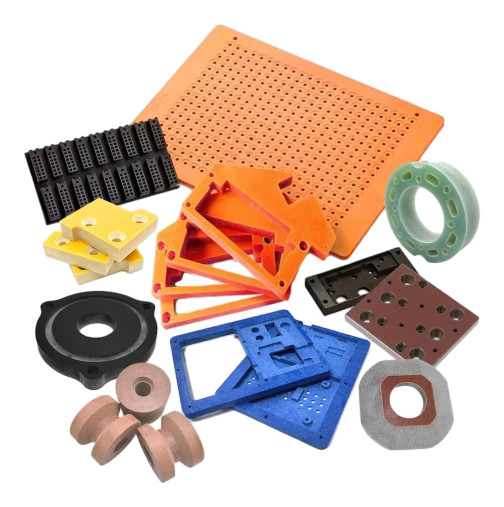
SMC Sheet: The High-Performance Composite Material Powering Modern Industry Innovation
Time of issue: 2026-06-25
Importantly, the success of manufacturing in today's market or speed of production will depend on the type of materials used. Since material performance has such a significant effect on product quality, safety, and long-term performance, it is important to use materials that perform well. In recent years, the composite material (the Sheet Molding Compound- sheet) has emerged as one of the most popular composite materials in many industries (automotive, civil, electrical, and commercial); thus it will have a large impact on how these industries are able to manufacture products using efficient methods.
The features that make SMC sheet an ideal composite material for industry are its high tensile strength (while remaining lightweight) and corrosion resistance, along with excellent electrical insulative properties; therefore, as demand for stronger but more cost-effective composite materials increases in multiple markets, SMC will be a practical alternative for an increasing amount of innovative and mass-produced items, as well as precision engineering.

SMC Sheets Have Some Strong Benefits
The main reason SMC Sheets have become such a popular choice is their impressive mechanical strength. They are capable of withstanding impact, pressure, and deformation which makes them ideal for use in high performance structural applications.
Another benefit of SMC Sheets is their superior electrical insulating properties. They are commonly used in electrical enclosures, switchgear and power distribution systems where safety and stability are critical factors.
SMC Sheets have superior corrosion-resistance properties. Unlike metal materials which can corrode or deteriorate over time, SMC Sheets perform consistently well regardless of the level of humidity or exposure to chemicals. This makes them great choices for outdoor applications and industrial facilities.
Additionally, SMC Sheets have a high strength-to-weight ratio enabling manufacturers to reduce weights of end products without sacrificing structural integrity. This will improve energy efficiency, simplify the installation and reduce transportation cost when using SMC Sheets.
Advantages of SMC Sheets
SMC Sheets are becoming increasingly popular for structural use because they offer excellent mechanical strength; they are able to absorb impact, withstand pressure and deform (without breaking or cracking).
SMC Sheets provide excellent electrical insulation characteristics. They are extensively used for electrical enclosures such as switchgear and electric power distribution systems where safety and stability are critical.
SMC Sheets are also exceptionally resistive to corrosion. SMC Sheets are not subject to corrosion and/or deterioration, no matter the amount of humidity and/or exposure to chemicals. Therefore, SMC Sheets are a very good application for outdoor and industrial use.
SMC Sheets have a very high strength/weight ratio, allowing manufacturers to decrease the weight of their products without compromising structural integrity. The use of SMC Sheets will lead to an increase in energy efficiency, ease of installation, and reduced transportation costs.
Resolving Important Problems in the Manufacturing Sector
Multiple companies who are engaged in manufacturing experience various difficulties, including corrosion of materials, high upkeep expenses, large component sizes, and ineffective insulation performance. In order to achieve all of these different targets with SMC Sheet's balanced property combination these issues can all be addressed successfully by selecting SMC sheet to eliminate these pain points for manufacturers.
In one example, using SMC instead of metal enclosures can reduce risk of rusting from electrical systems when using SMC Sheets at the same time improving safety of that electrical system.
Also when using SMC for automotive manufacture it reduces the weight of a car, which improves fuel efficiency along with reducing carbon emissions.
An example of one application using SMC for an Industrial Equipment Manufacturer, achieved over a 30% reduction in maintenance frequency after making the transition to using SMC components; but also experienced improvements in longevity and reliability they were seeing from their product.
Flexibility and Customization
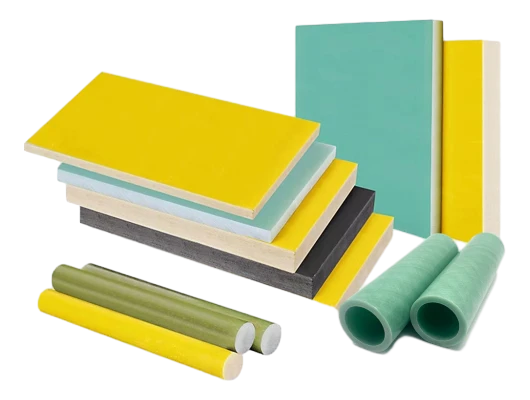
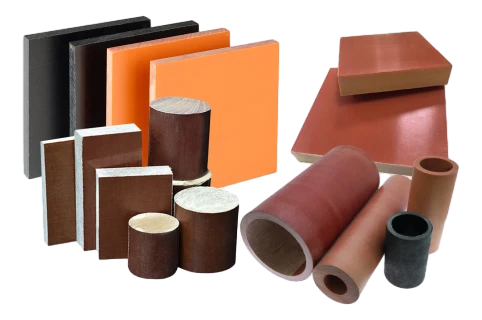
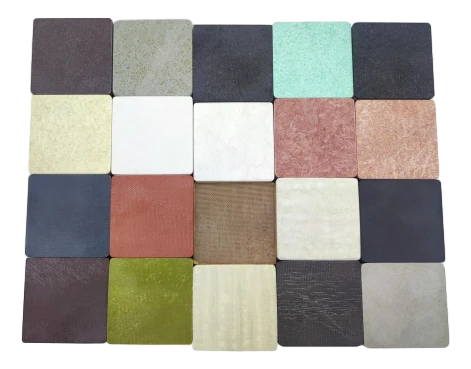
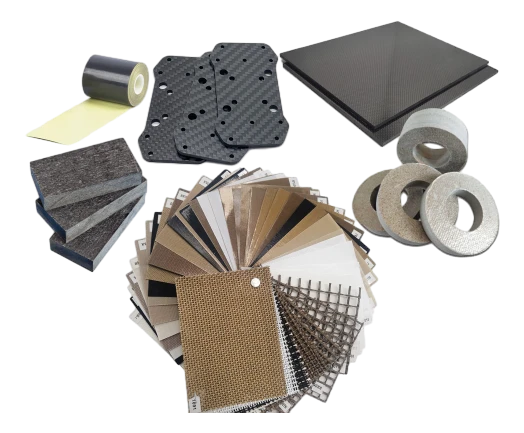
Today's methods for making SMC Sheets have resulted in more options in terms of thickness, colour, surface finish and mechanical properties than in past generations of SMC development. Because of these extended flexible options the manufacturer's ability to create components is virtually unlimited, since they can develop a component that meets all of their project specifications.
It can also be moulded to create complex geometry that will require less secondary processing and will help decrease overall production costs. This represents a super efficient solution for long runs of industrial production.
Also, each SMC Sheet goes through a series of quality control measures to assure that they will conform to International standards for strength, insulation and durability in order to provide every customer with uniform and reliable performance.
Resolving Important Problems in the Manufacturing Sector
Multiple companies who are engaged in manufacturing experience various difficulties, including corrosion of materials, high upkeep expenses, large component sizes, and ineffective insulation performance. In order to achieve all of these different targets with SMC Sheet's balanced property combination these issues can all be addressed successfully by selecting SMC sheet to eliminate these pain points for manufacturers.
In one example, using SMC instead of metal enclosures can reduce risk of rusting from electrical systems when using SMC Sheets at the same time improving safety of that electrical system.
Also when using SMC for automotive manufacture it reduces the weight of a car, which improves fuel efficiency along with reducing carbon emissions.
An example of one application using SMC for an Industrial Equipment Manufacturer, achieved over a 30% reduction in maintenance frequency after making the transition to using SMC components; but also experienced improvements in longevity and reliability they were seeing from their product.
Flexibility and Customization
Today's methods for making SMC Sheets have resulted in more options in terms of thickness, colour, surface finish and mechanical properties than in past generations of SMC development. Because of these extended flexible options the manufacturer's ability to create components is virtually unlimited, since they can develop a component that meets all of their project specifications.
It can also be moulded to create complex geometry that will require less secondary processing and will help decrease overall production costs. This represents a super efficient solution for long runs of industrial production.
Also, each SMC Sheet goes through a series of quality control measures to assure that they will conform to International standards for strength, insulation and durability in order to provide every customer with uniform and reliable performance.
In conclusion, the decision to utilize SMC Sheet can greatly impact long-term viability. SMC Sheet is at the forefront of industry trends such as lightweight, high strength, and cost-efficient machinery are increasingly popular materials being used in engineering today.
SMC Sheet has many qualities that enhance its longevity: excellent mechanical properties; high levels of electrical insulation; low levels of corrosion; and compatibility with many other material types. SMC Solutions are reliable, require little to no maintenance, and lead to better overall operational efficiencies in the spheres of use discussed above.
In conclusion, when you choose SMC Sheet, you are investing in a sustainable, efficient, and durable future for your organization.
Previous
Contact Us



Company Headquarters
NO.2 Longxian Road, Xinsheng Community, Longgang Street, Longgang District, Shenzhen, Guangdong, China